Community FAQ — Learning to Skate
Answers to questions about getting started in ice skating and hockey, whether you're a parent, a young player, or an adult considering something new.
The Questions Themselves
- Can my 5-year-old learn to skate, or is he too young? Most children can begin learning skating fundamentals between ages 4 and 6. Younger children have shorter attention spans and less developed balance, but with patient instruction they pick up the basics quickly. The right program matters more than the exact age — look for one with young-age-specific classes.
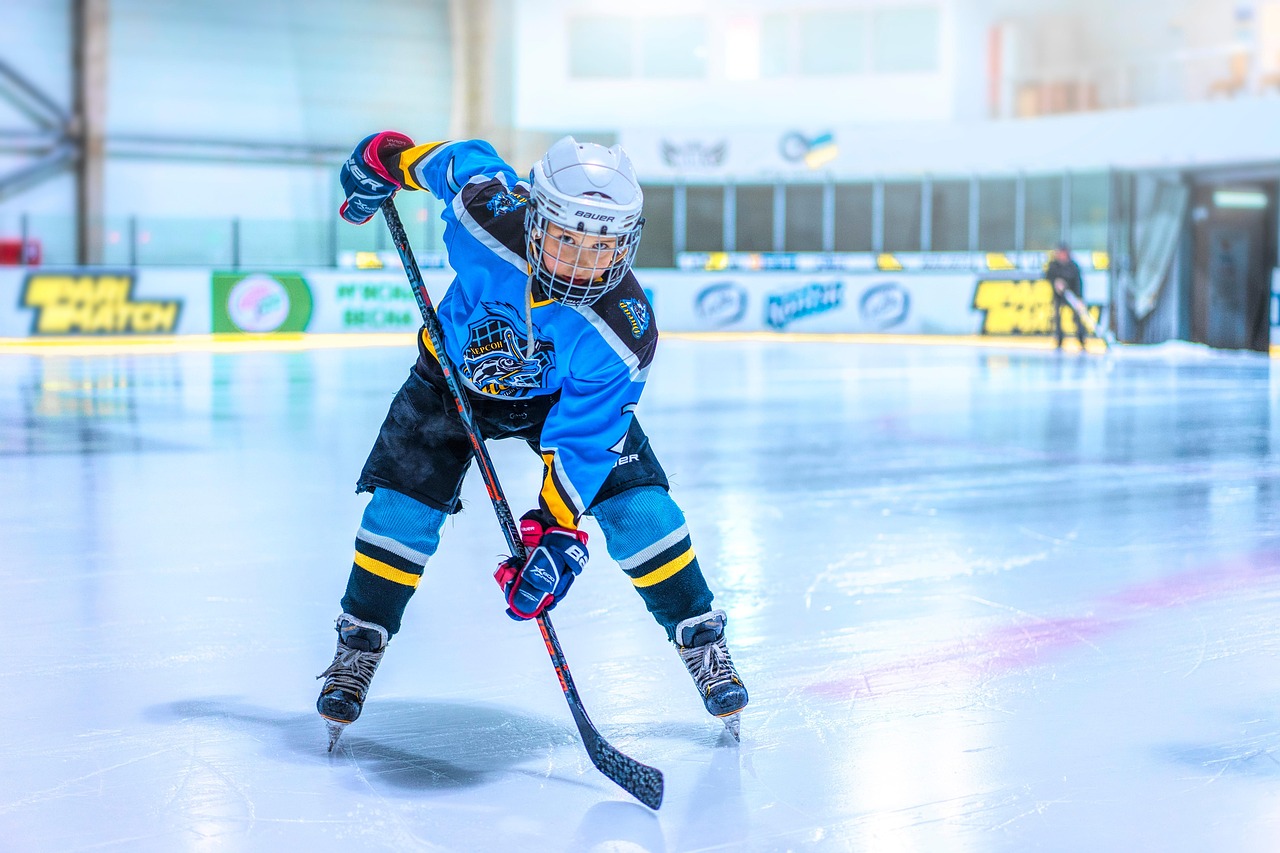
- Is ice skating safe for kids? Ice skating has a real injury risk, mostly wrist sprains and minor falls. Proper protective equipment (helmet, wrist guards, knee pads, elbow pads) is essential, especially for beginners. The risk of serious injury is low when players wear certified gear and take lessons in structured settings.
- What's the difference between learning figure skating and hockey? Figure skating focuses on individual technique, balance, and grace. Hockey emphasizes speed, positioning, and team play. A beginner can start with fundamentals that apply to both, then choose a path at age 8 or 9. Some skaters do both.
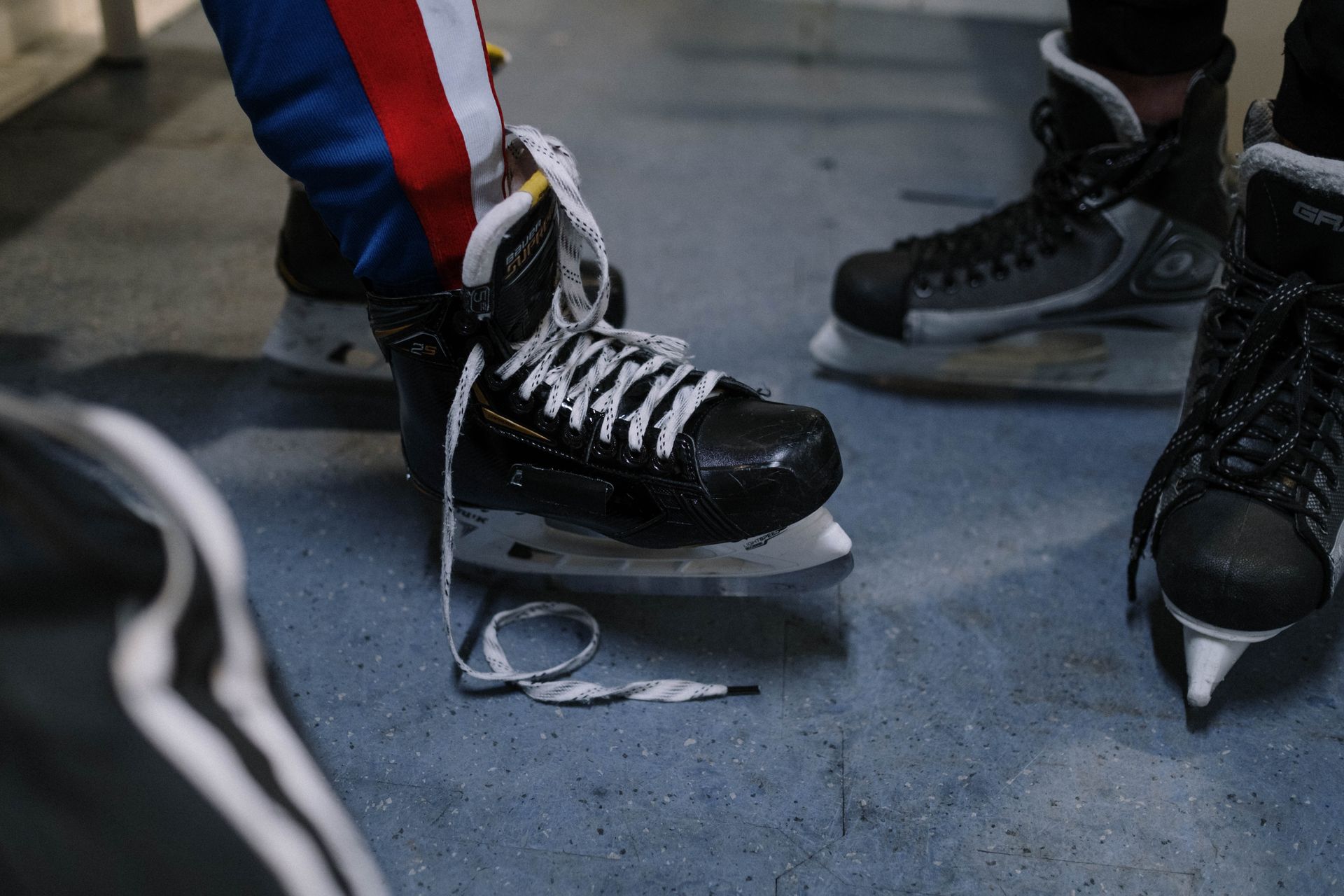
- How much does it cost to get started? Budget $300–$600 for rental-quality skates and basic protective gear your first year. Rink time costs $8–$15 per session. Group classes run $20–$40 per session. You can start with just skates and a helmet; other gear can follow once you're committed.
- Can I learn to skate as an adult? Yes. Adult learn-to-skate programs exist at most rinks in Massachusetts. Progress is slower than for children because balance and proprioception don't develop the same way, but adults can reach recreational skating ability within a season.
How to Work Through It Yourself
Start by asking yourself what you actually want from ice skating. Are you looking for a recreational activity, competitive training, or casual family time? This shapes which rink, program type, and instruction level makes sense for you. A recreational skater and a hockey competitor have entirely different gear and class needs, and conflating them leads to over-investment early on.
Next, talk to local rinks about their program offerings. Most rinks run separate tracks for figure skating, hockey, and recreational skating. You can try a trial class for $20–$30 before committing to a full session. Visit the rink and watch classes in progress. Notice how instructors interact with students, whether equipment requirements are clear, and whether the environment feels supportive.
A Side-by-Side That Settles It
Some parents worry that structured skating is too expensive. Others worry it's not challenging enough. Some kids are hesitant about falling. Others throw themselves into it without regard for risk. What matters is that you find an honest match between what your child wants and what a program actually offers.
You don't need the most expensive equipment or the fanciest rink. What you need is an instructor who notices your child's actual ability, a program structured for learning, and honest communication about what to expect. Talk to other parents whose kids are in the program. Ask instructors how many years they've taught and what their background is. Trust the people running the program — it's your job as a parent to evaluate them as much as the cost.
Ice skating is a real sport with real risk and real payoff. You can find that balance in your community without spending thousands or signing up for the wrong program.
Where These Questions Come From
Why Local Matters
Ready to Start?
Find a rink with learn-to-skate programs and call about trial classes. Most rinks offer a first session at a trial rate so you can see whether it's the right fit before you invest in full equipment.
Find Local Programs