The Record
Understanding the equipment standards that make skating accessible and competitive in Massachusetts.
Orientation — What This Is
Local skating—whether recreational ice hockey, competitive hockey, or figure skating—rests on equipment standards most people never think about until they're in a shop deciding what to buy. A blade sharpened for recreational hockey performs entirely differently from one tuned for figure skating. A helmet certified for amateur play meets standards that recreational skating doesn't require. Protective pads in youth hockey carry their own certifications. The difference between a boot that works and one that doesn't is measurable in millimeters.
A blade with the wrong hollow for your weight and skating style will make you feel either sluggish or uncontrollably twitchy, no matter how good the boot is. That hollow—the groove down the center of the blade—is precisely the thing most skaters never notice until they get it right.
The equipment conversation in Massachusetts is straightforward once you separate the disciplines and understand what certifications actually mean. This page walks through the essentials: what different skates are designed to do, what marks on a helmet or pad actually guarantee, how to recognize properly fitted equipment, and what the standards mean in practice. Whether you're buying your first pair of skates or replacing your equipment after years away from the ice, understanding these details changes a frustrating purchase into a confident one.
Common Sticking Points
- What's the difference between hockey and figure skates? Hockey skates lock your ankle firmly and the blade sits flat; the blade itself is shorter, wider, and designed for quick turns and sudden stops. Figure skates allow more ankle movement and have a rocker in the blade; the blade is longer and designed for sustained curves, spirals, and jumps. Most public rinks in Massachusetts serve both sports, but they feel entirely different on your feet and require different movements.
- Why does the blade matter more than the boot? The blade is what touches the ice and creates the edge you skate on. The boot's job is to support your ankle and hold the blade in exactly the right position. A mediocre boot with a blade matched to your weight can outperform an expensive boot with the wrong blade hollow. The blade is where your skating actually happens.
- Does sharpening frequency really make that much difference? Yes. A dull blade grips poorly and tires your legs, because you work harder for the same purchase on the ice. A blade sharpened with the wrong hollow—deeper or shallower than your weight and skating style demand—will feel twitchy or sluggish depending on which direction it's wrong. Getting the hollow right transforms how your skates feel and how long you can skate comfortably.
- What does "properly fitted" actually mean? Your heel sits snug in the back of the boot without lifting when you're standing; your toes don't touch the front; your ankle doesn't roll side to side. That fit takes a few minutes in the shop with someone who knows the equipment, and it prevents the blisters, pain, and injuries that prevent skating for weeks.
How to Use This
Start by identifying which discipline matches your schedule and interest. Ice hockey in Massachusetts is heavily organized—multiple adult rec leagues, youth leagues at most rinks, and pickup games year-round at smaller facilities. Finding a rink near you and a league or drop-in program that fits your skill level is the first step. Figure skating requires more setup, since lessons and practice ice are less common, but The Skating Academy runs small-group learn-to-skate programs and coaching across eastern Massachusetts for all ages and skill levels.
Once you know your discipline, prioritize protective gear first if you're playing hockey: certified helmets are non-negotiable for safety. Look for a HECC mark—Hockey Equipment Certification Council—which means the helmet has been independently tested to meet the amateur hockey standard. Then focus on the skates themselves. The boot brand matters less than fit; the blade matters more than the boot. Find a shop that will spend time fitting your skates properly, and plan to have your blades sharpened every 10 to 20 hours on the ice, depending on your weight and how aggressively you skate.
The Key Figures
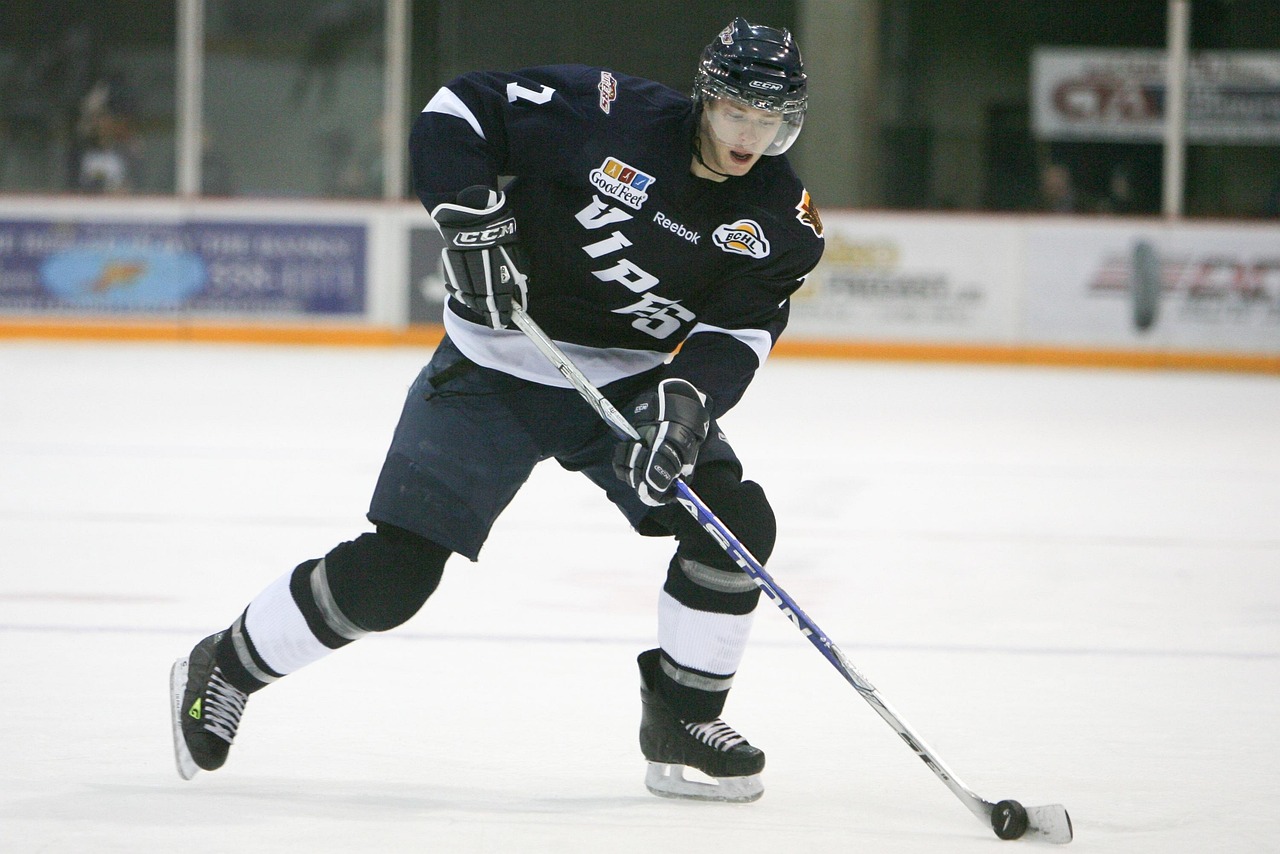
A properly fitted pair of skates in action shows where these equipment decisions matter. The blade—the part touching the ice—is where your skating actually happens. The hollow down the center of the blade determines how much edge you have available and how the blade grips the ice when you push or turn. The boot holds everything in place and transfers your leg movement to the blade. The heel pocket is often where fit goes wrong: too loose and your heel lifts with each stride, losing control; too tight and your foot goes numb. Getting the fit right in all three areas is the foundation for comfortable, confident, injury-free skating.
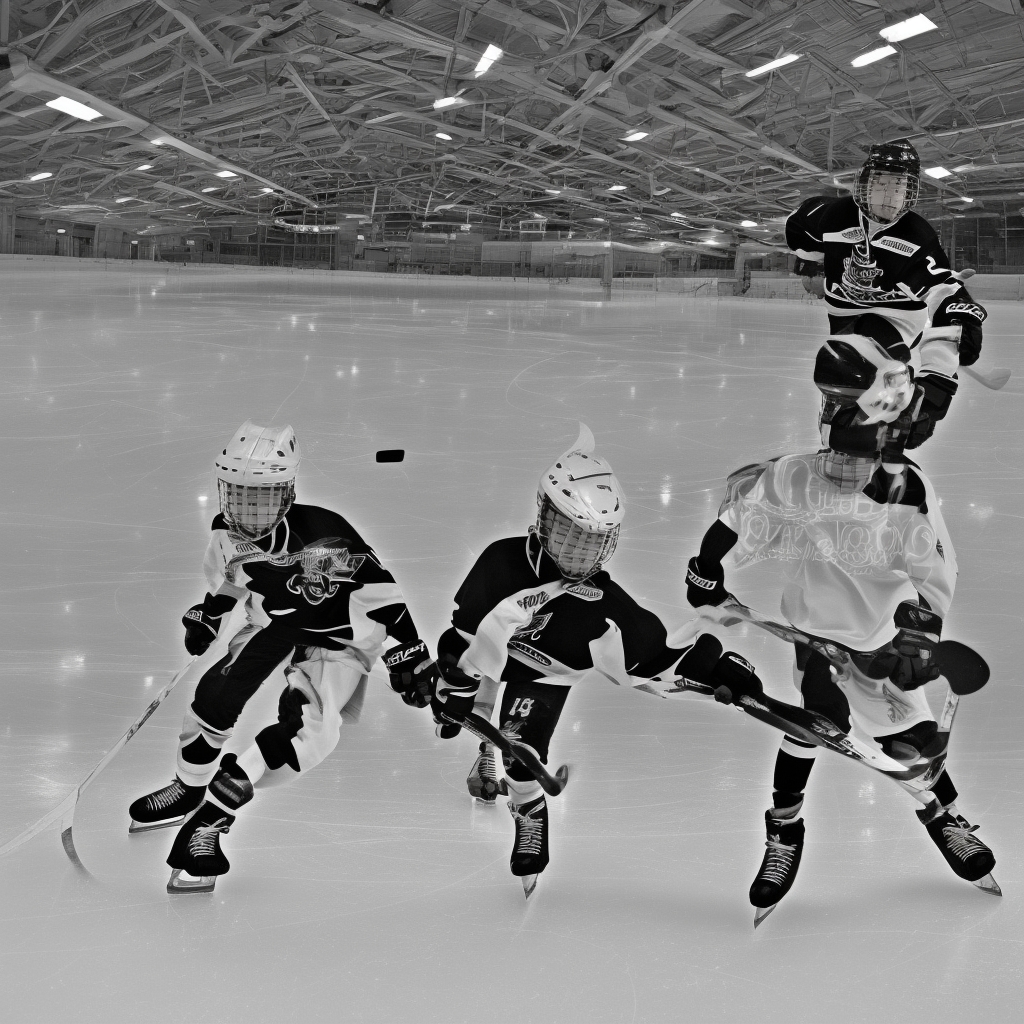
Understanding the equipment is the foundation for everything else in skating. Your next step is to get skates that fit your discipline and your feet, then find a shop that will verify the fit and maintain your blades regularly. A good fit and sharp blades will teach you more about what your skating can do than any instruction manual.