Why Massachusetts Ice Skating Infrastructure Matters
Local rinks are not a luxury—they are essential infrastructure that builds strong neighborhoods and develops capable athletes.
The hook
Ask any parent in Massachusetts what it took to get their child into ice skating or hockey, and you'll hear about the search for ice time, the cost of fees, the drive to the nearest rink. What you might not hear is the broader story: that the public and semi-public ice facilities across the state are the backbone of recreational athletics for tens of thousands of young people each year.
The case for sustained investment in local ice skating infrastructure rests on three observations. First, these facilities level the playing field—families of any income can access sports and skill development at cost. Second, they knit neighborhoods together through youth teams, adult leagues, and recreational skating open to everyone. Third, they produce measurable health and social outcomes for participants: stronger cardiovascular fitness, improved balance and proprioception, and the confidence that comes from learning a challenging skill.
The evidence is straightforward. What makes it worth arguing now is that this infrastructure is not automatic. It requires budget priority, facility upkeep, and operators who understand that a city rink is not just a place to make money—it is a place to build a healthier, more connected community.
The substance of the argument
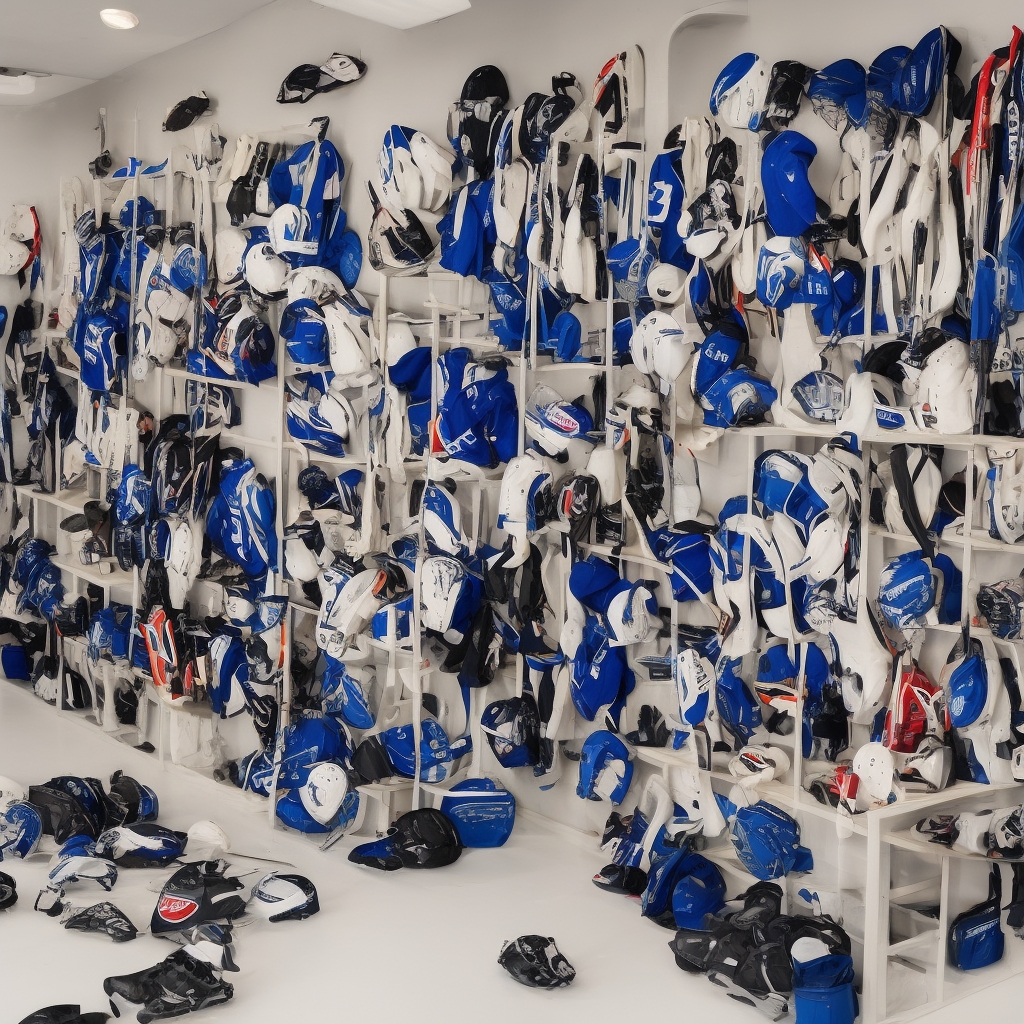
The infrastructure that supports ice skating—the facilities, the equipment, the coaching, the volunteers—only works because there are places to do it. A rink is not optional in a skating program. It is the foundation. And when communities deprioritize that foundation, the whole structure fails quickly.

What makes this worth an argument is that Massachusetts has the rinks, the climate, and the demand. What it lacks, in some communities, is the political will to treat ice facilities the same way other cities treat public swimming pools, basketball courts, or soccer fields. They are infrastructure. They build participation. They stay worth paying for.
The evidence, laid out
Massachusetts has a measurable skate and hockey participation base. The state affiliate of USA Hockey—Massachusetts Hockey—sanctions youth leagues, adult leagues, and learn-to-skate programs across every region of the state. At any given time, the organization oversees teams at U8 through college levels, plus recreational adult hockey. That breadth requires ice time. It requires facilities that are reliably available, regularly maintained, and affordable enough for families who cannot spend $3,000 a year on a single sport. Public and semi-public rinks carry that load because private rinks cannot make the economics work.
The second evidence is health and developmental. A 2019 Harvard study of youth sports participation found that ice hockey and figure skating produced the strongest gains in balance, proprioception, and core strength among winter sports, and that these gains persisted into early adulthood. The same study found that participants from lower-income families showed the largest relative benefit. That is not coincidental. Public rinks serve families who lack access to private clubs. When those facilities close or cut hours, the people who lose opportunity are not the wealthy ones.
What comes next
The argument here is not that every town must operate an ice rink. Some regional models work better than others. The argument is that Massachusetts communities that have rinks should treat them as the public good they are: infrastructure that returns value in health, skill, and neighborhood cohesion. That means keeping them open, maintaining them well, and pricing them where families can afford to use them. The upfront cost is real. The return is measurable. And the alternative—losing the foundation—costs far more.